
About Victoria
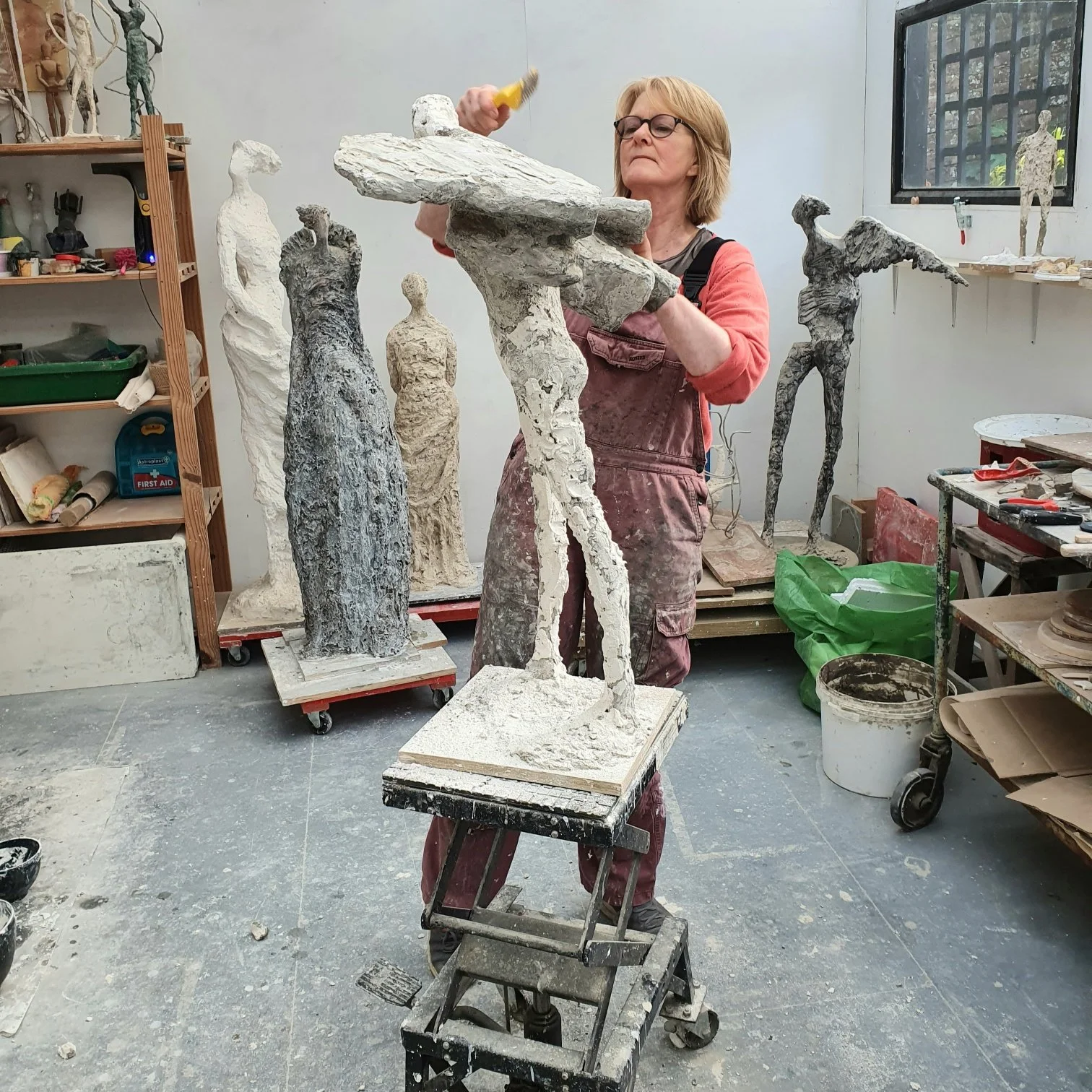
An elected member of the Royal Society of Sculptors, Victoria took her sculpture degree at City and Guilds of London Art School in the late 1980s, where the emphasis was on classical training in life drawing and sculpture and has since completed several commissioned bronze portraits.
Her commissioned work has been exhibited with the Society of Portrait Sculptors over several years. She has also exhibited at the Royal Academy Summer Exhibition, Towner Art Gallery for the Sussex Open and often at the ING Discerning Eye, Mall Galleries, London. Victoria has exhibited regularly at the Royal West of England Academy, Bristol and is a member of the Bath Society of Artists and a committee member of the Rye Society of Artists.
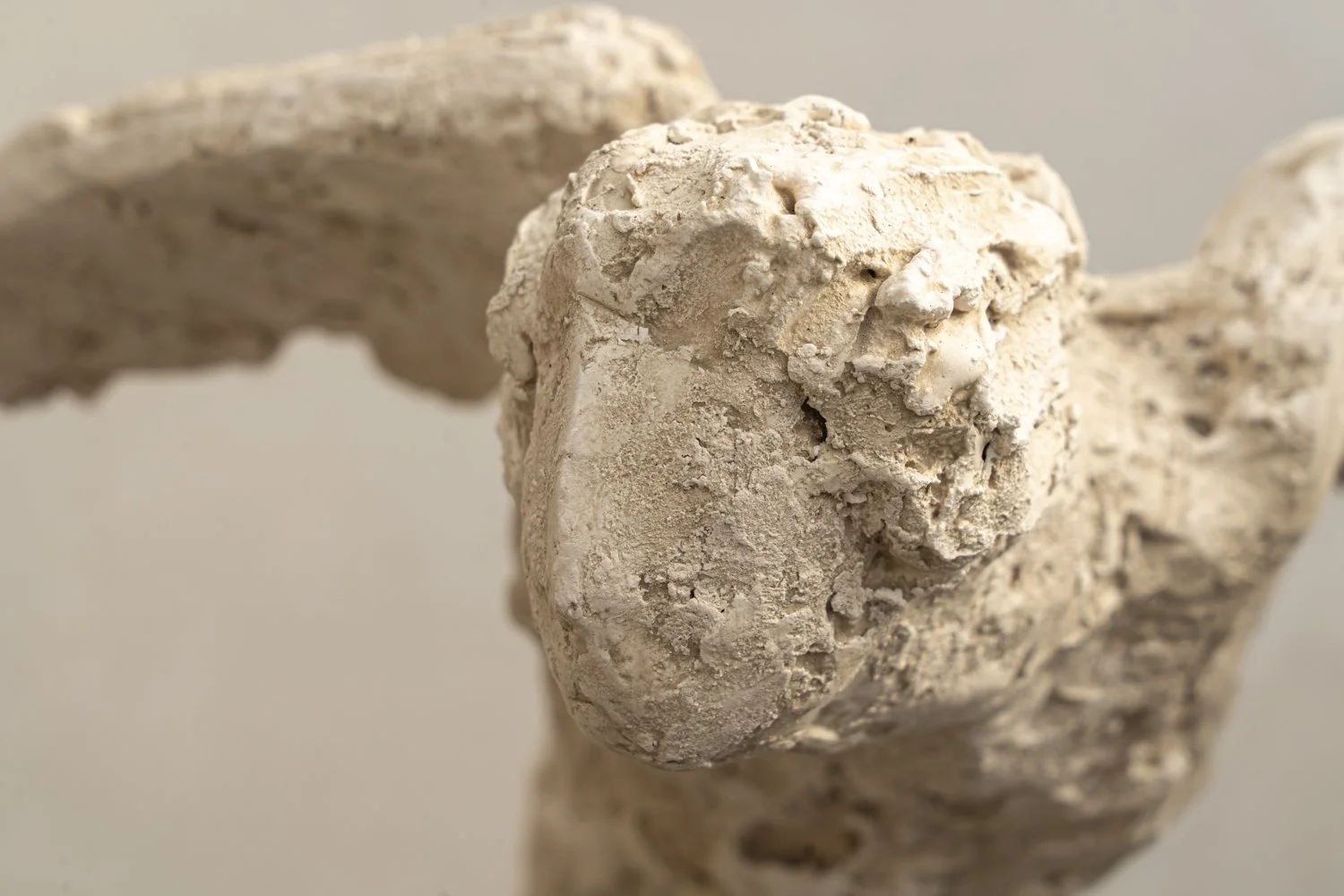
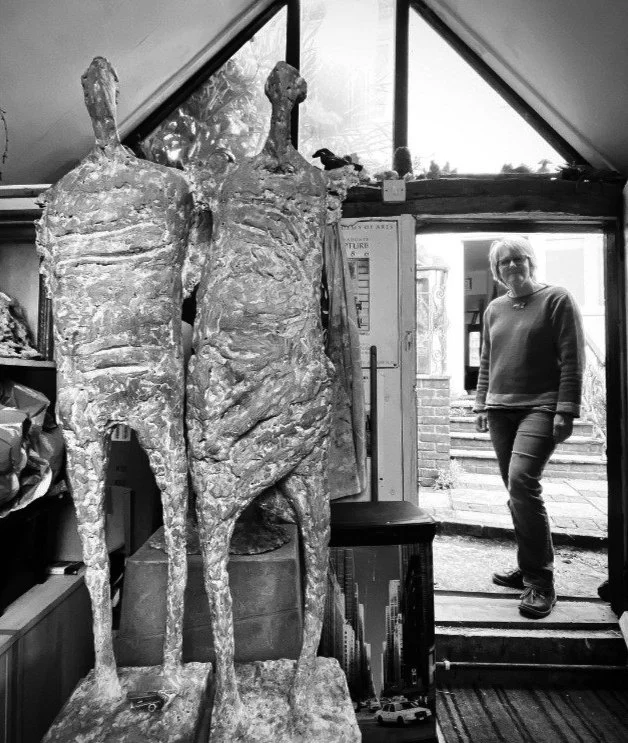
Her work, though often abstracted, remains deeply human. Rather than pursuing realistic likenesses, Victoria’s focus is on capturing the mood or essence of her subjects through posture and gesture. Many of her figures are androgynous, transcending gender and race to communicate universal experiences. This philosophy extends to one of her recurring themes – the presence of guardians, sentinels or keepers, figures that quietly observe and protect.

Mythology is another powerful influence on her work. Inspired by Greek myths, she is drawn to the humanity of gods and heroes – beings who are flawed, emotional, and as susceptible to desire and jealousy as the rest of us.
“As soon as you find you can do anything, do something you can’t”
— Rudyard Kipling